


How Allergies Can Affect a Kettlebell Workout (and How a Personal Trainer Can Help)
Kettlebell workouts require coordination, breath control, grip strength, and explosive power. When you have a client who struggles with cleans, swings, snatches, or extended complexes, their issue may not be with technique or conditioning. When the problem isn’t apparent, it might be time to consider allergies.
Allergies can quietly interfere with performance and progress. When a trainer understands how allergies affect their client’s kettlebell routine, they can adjust training strategies, encourage allergy testing and treatment, and help address concerns about their overall health.
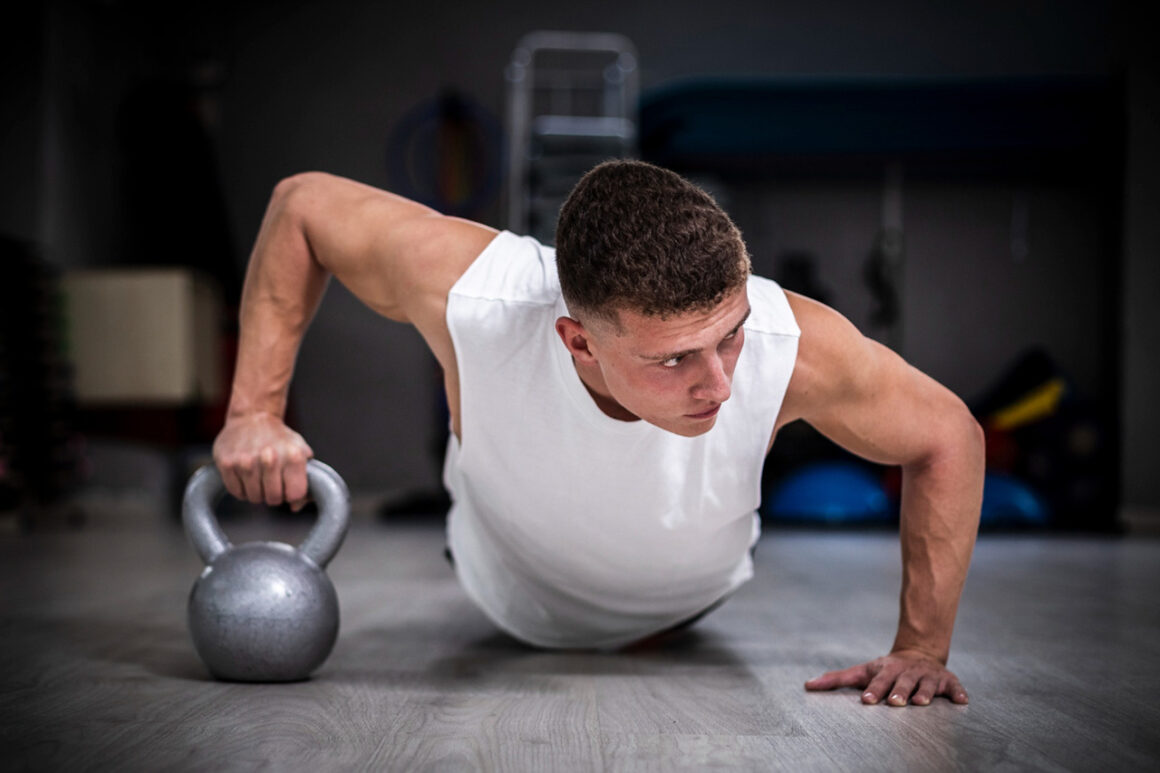
Allergies Can Significantly Disrupt Kettlebell Training
Many people think of allergies as watering eyes, sneezing, and a runny nose. However, allergic reactions are systemic and can affect almost everything someone does, including their breathing and sleep. Because of this, allergies can affect kettlebell workouts in many ways:
a) Breathing Rhythm and Explosive Power
Kettlebell training requires sharp, controlled breathing. Nasal congestion, a runny nose, and airway inflammation can make this difficult or impossible. When someone cannot coordinate their breath with movements—or when their breathing is shallow or labored—their explosive power drops exponentially, and they fatigue quickly. For clients whose technique also needs work, consider revisiting the fundamental kettlebell swing technique to improve power and efficiency.
b) Reduced Grip Endurance
Allergies can cause inflammation, fatigue, and joint pain. During longer kettlebell complexes, allergy sufferers may lose grip strength faster than expected. This could lead to poor form, early termination of the workout, or even injury. If allergies are compounding existing overuse or technique issues, understanding common kettlebell injury risks becomes even more important.
c) Balance and Spatial Awareness
Sinus pressure often affects the ears, possibly leading to minor changes in the way the body manages balance and spatial awareness. This could cause hesitation and loss of confidence for some people, especially during unilateral or overhead exercises.
d) Delayed Recovery Between Workouts
Chronic, untreated allergies disrupt sleep and leave people feeling fatigued. This may extend recovery time, necessitating a delay in subsequent workouts.
When to Consider Allergies Might Be the Problem
Many trainers have clients who progress as expected, then seem to plateau or regress during the same season each year. On the other hand, they might have clients who do not make progress despite dedication and good technique. In either case, allergies could play a role.
When allergies hit, a complex that felt manageable a week before might suddenly seem overwhelming. Many people might think it’s just fatigue or that they’re getting sick. If you have a client like this who doesn’t bounce back quickly, you should consider allergies. You can:
- Suggest a medical evaluation
- Encourage them to track symptoms alongside athletic performance
- Focus on form and technique instead of progress and performance
- Reinforce that this might be a physiological issue, not a motivational one
How to Adapt Kettlebell Workouts for Clients With Allergies
If you have a client with allergies, they may be undergoing Immunotherapy to train their body to manage allergens better. While this is an effective strategy for managing allergies, it is a long-term treatment that could take weeks or months for symptoms to disappear.
You can expect them to experience fluctuating energy levels, temporary fatigue, and some amount of workout intolerance. During this time, you can take steps to help:
Focus on Technique: Slower tempos and form-focused sets reduce fatigue and build confidence. For clients learning or refining core movements, a structured snatch progression can be especially useful.
Modify Complex Length: Shorter workouts and increased rest intervals let clients better control their breath, even with allergy symptoms.
Carefully Select Exercises: Reducing snatches and overhead work while increasing swings and goblet squats could help those with balance concerns.
Train Indoors: When air quality is poor, indoor sessions allow clients to work out consistently without worrying about symptom control.
What Can My Clients Expect When They Manage Their Allergies?
Once allergies are better controlled, you may begin to notice a marked improvement in your client’s performance. When they suddenly do not have to fight to breathe or overcome their body’s immune response during every workout, you may see:
- Deeper, more consistent breathing during complexes
- Improved grip and longer grip endurance
- Faster recovery between workouts
- Less hesitation with unilateral and overhead motions
- Stable energy output during each workout
When you notice an improvement like this in a client working to manage allergies, tell them! Validating their experience will build trust, prevent unnecessary frustration, and encourage them to continue their workouts.
Supporting Improved Kettlebell Performance Through Allergy Awareness
When you understand how allergies can affect your client’s kettlebell workout, you can help them continue to progress despite the way their overall health impacts their performance. Trainers should also understand how people get hurt with kettlebells so they can separate allergy-driven limitations from preventable technical errors.
If you have a client struggling with grip, breathing, balance, and recovery, it could be seasonal allergies or sensitivities. Encouraging allergy testing and management and adapting their kettlebell workouts accordingly could be the key to significant progress. You may also want to consider recommending resources on preventing kettlebell training injuries to help your clients stay safe while managing their allergies.
Additional info and sources
- Allergies are usually a contributing factor, not the sole cause
- Grip issues are indirect, not structural
- Balance effects are subclinical, not vertigo-level
- Antihistamine choice matters (some impair performance)
| Topic | Supporting Type of Research | Representative Source |
|---|---|---|
| Hook grip and hand position | Grip biomechanics | Davies et al., JSCR |
| Breathing + explosive lifts | Respiratory physiology | McKean et al., JSCR |
| Allergies affecting performance | Clinical sports medicine | de Andrade et al., Respiratory Medicine |
| Technique teaching value | Motor learning & skill acquisition | Schmidt & Lee |
| Kettlebell training benefits | Sport conditioning | Lake & Lauder; Jay et al. |
- Workouts
- Courses
- Certifications
- Coaches
- Live feed


