
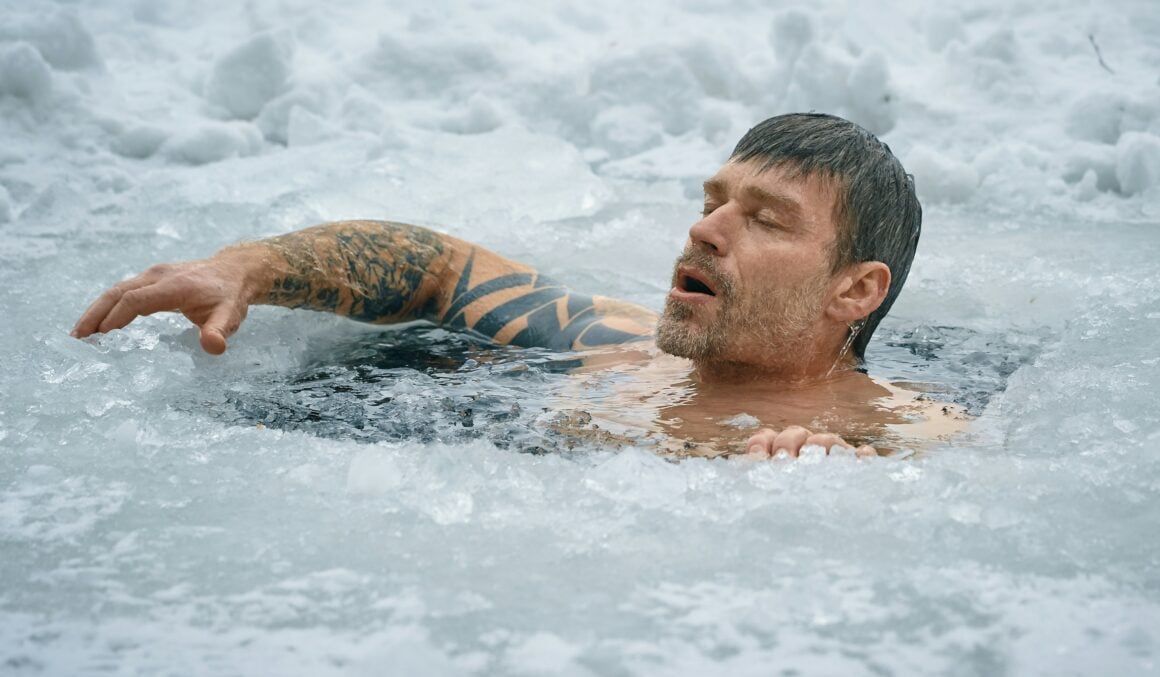

Training is the stimulus. Recovery is where the growth happens.
In the world of kettlebell training, we often obsess over the “work.” We focus on the snap of the swing, the grit of a long cycle, and the total volume of our snatches. But there is a hard truth every athlete must eventually face: progress doesn’t happen while you are holding the bell. Training is the stimulus, but recovery is the phase where actual strength, power, and endurance are built.
Without a recovery protocol that matches your training intensity, you aren’t building a stronger body — you are simply accumulating fatigue. This leads to a plateau in performance, a drop in training frequency, and an inevitable increase in injury risk. To bridge this gap, high-performance athletes are increasingly integrating the Cold Plunge into their daily routine to reset their physiological systems.
1. Why Kettlebells Demand a Harder Reset
Kettlebell lifting is a unique beast. It is a hybrid of ballistic power and grinding endurance. When you perform high-repetition cleans or snatches, you aren’t just taxing a specific muscle group — you are stressing the entire posterior chain, your grip strength, and, most importantly, your Central Nervous System (CNS).
This intensity leads to:
- Muscle micro-trauma (DOMS): The deep muscle aches caused by high eccentric loads.
- CNS fatigue: That feeling of being “fried” or mentally drained long after your muscles stop burning.
- Systemic inflammation: The body’s natural inflammatory response to high-velocity stress — and why what you eat between sessions matters as much as what you do during them.
If your recovery system cannot keep up with the stimulus created by the kettlebell, your performance will eventually stall.
2. The Mechanics of the Cold Plunge
So, why jump into 10–15°C (50–59°F) water after a brutal session? The science behind cold water immersion is simple but highly effective for functional athletes.
When you submerge, the cold triggers immediate vasoconstriction. Think of it as a manual “flush” for your limbs, dampening inflammation and moving metabolic waste away from your muscle tissues. Once you step out, a process called vasodilation occurs — fresh, oxygenated blood floods back into the muscles, delivering the nutrients needed for cellular repair.
For a kettlebell lifter, this means your “heavy legs” feel lighter sooner, and your grip strength returns faster, allowing you to maintain a high-quality training schedule without the lingering “hangover” of a heavy workout. (If you want to pair the plunge with targeted grip work, that’s where the real compounding happens.)
3. Mastering the Breath: The Bridge Between the Bell and the Cold
One of the most overlooked synergies between kettlebells and the cold is respiratory control. In kettlebell sport, biomechanical breathing — matching your breath to the movement — is what separates the amateurs from the masters. The Cold Plunge serves as the ultimate training ground for this skill.
When you first hit the freezing water, your body’s natural instinct is to gasp and hyperventilate. This is the “Cold Shock Response.” By consciously forcing yourself to transition from panicked gasping to slow, controlled nasal breathing, you are training your autonomic nervous system. This ability to maintain a rhythmic breath under extreme physical discomfort is the exact same skill needed during a high-rep snatch set when your heart rate is redlining. If you can breathe through the ice, you can breathe through the 10th minute of a heavy set.
4. Consistency Is Key: The Role of the Chiller
While throwing a bag of ice into a bathtub works in a pinch, it is far from ideal for a serious training routine. Managing ice is a logistical hassle, the temperature fluctuates wildly, and the water often fails to stay cold enough to trigger the necessary physiological response.
This is why serious practitioners are moving toward dedicated systems. By using a high-quality cold plunge chiller, you remove the guesswork from your recovery. These professional systems offer several key advantages:
- Steady temperature control: No more guessing — the water stays at your exact target temperature for the duration of the plunge.
- Ease of use: It’s ready when you are, removing the friction of manual setup and cleanup.
- Consistent results: In training, we value having the right tools for the job. Recovery should be no different.
The most effective recovery protocol is the one you can actually stick to every day without a logistical headache. For anyone already following our approach to cold exposure as recovery, upgrading from showers to a proper plunge is the natural next step.
5. Forging Mental Resilience Under Pressure
The Cold Plunge isn’t just a physical recovery tool — it is a psychological one.
Kettlebell sport is a mental game. When you are seven minutes into a set and your lungs are on fire, you need a “quiet mind” to keep your technique from breaking. Entering freezing water triggers a similar panic response. By forcing yourself to stay calm, control your breathing, and settle into the cold, you are training your brain to handle stress. This mental toughness — the ability to stay composed under duress — transfers directly to the lifting platform.
6. FAQ: Optimizing Your Recovery
How often should I train with kettlebells?
Most athletes find success with 2–4 high-intensity sessions per week. However, your frequency is dictated by your recovery. Using a professional cooling system to maintain a consistent routine can often allow you to add a productive third or fourth training day that might have otherwise been lost to soreness.
Why am I so sore after kettlebell sessions?
Kettlebells combine explosive power with high repetitions, creating significant systemic fatigue. If your DOMS lasts more than 48 hours, it is a clear sign your current recovery protocol needs an upgrade.
What is the best recovery method?
The ultimate stack is: sleep + nutrition + rest + cold plunge. The kettlebell creates the stress; the cold helps your body rebuild.
Conclusion: Forge Your Body, Reset Your Mind
Kettlebell training builds power, endurance, and physical control. But the Cold Plunge determines whether those gains actually “stick.”
For high-frequency lifters, the cold is not a luxury — it is a critical part of the training system. Training creates the stimulus, but recovery determines the growth. If you want to stay in the game and keep hitting PRs, you need to take your recovery as seriously as your swings.
Author
Amanda
NASM Certified Personal Trainer (CPT), NASM Certified Nutrition Coach (CNC), specializing in fitness, recovery, and performance optimization. Focused on evidence-based training and nutrition to support overall health and effective recovery.
- Workouts
- Courses
- Certifications
- Coaches
- Live feed


