
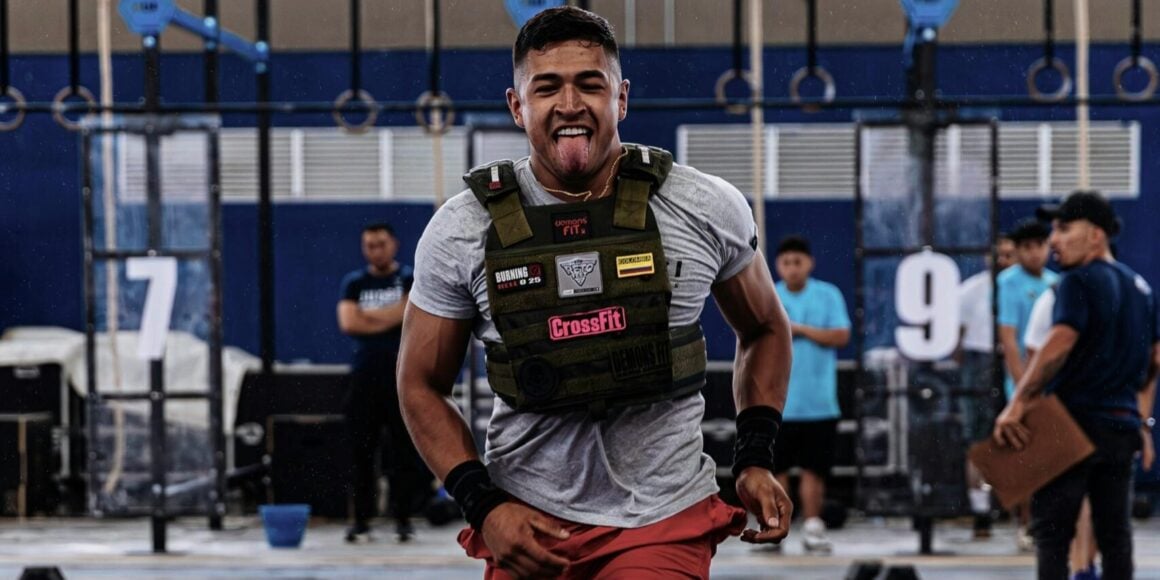

Bodyweight training is already one of the most effective ways to build strength, improve endurance, and develop overall fitness — but when you add a weighted vest, the results can be taken to a completely new level.
By simply increasing resistance on fundamental movements like push-ups, squats, lunges, and core exercises, a weighted vest transforms standard bodyweight workouts into more challenging, full-body strength sessions without the need for bulky gym equipment.
Upper Body Exercises with a Weighted Vest
Training your upper body with a weighted vest is one of the most efficient ways to increase resistance while maintaining natural movement patterns. Unlike machines or heavy free weights, a vest distributes load evenly across your torso, allowing you to build strength, stability, and muscular endurance in a more functional way. Below are four highly effective exercises and how to get the most out of them.
Push-Ups
Weighted push-ups elevate a classic bodyweight exercise into a powerful chest and triceps builder. The added resistance forces your muscles to work harder through every phase of the movement, leading to greater strength gains and improved muscular endurance.
To perform them correctly, start in a standard push-up position with your hands slightly wider than shoulder-width apart. Keep your body in a straight line from head to heels, engage your core, and lower your chest toward the ground in a controlled motion. Push back up explosively without letting your hips sag.
Benefits:
- Increases chest, shoulder, and triceps strength
- Enhances core stability due to added load
- Improves pushing power for sports and daily activities
Tip: If full push-ups become too difficult with the vest, slightly widen your stance or reduce the load to maintain proper form. For a sneaky variation, try the kettlebell crush push-up — vest optional, core engagement mandatory.
Pull-Ups
Pull-ups with a weighted vest are one of the most effective ways to build upper back strength and develop a wider, stronger physique. The added weight significantly increases the difficulty, making it ideal for those who have already mastered bodyweight pull-ups.
Begin from a dead hang with your arms fully extended and shoulders engaged. Pull yourself upward until your chin clears the bar, then lower yourself slowly to maximize time under tension.
Benefits:
- Builds lats, biceps, and upper back muscles
- Improves grip strength and shoulder stability
- Enhances overall upper body pulling power
Tip: Focus on controlled reps rather than speed. If you cannot maintain full range of motion, reduce the weight.
Dips
Dips are a highly effective compound movement that targets the triceps, chest, and shoulders. Adding a weighted vest increases resistance without compromising your natural movement pattern, making it ideal for building upper body mass.
Position yourself on parallel bars or a sturdy surface, support your body with straight arms, and slowly lower yourself until your elbows reach about a 90-degree angle. Push back up to the starting position while keeping your movements controlled.
Benefits:
- Strong emphasis on triceps development
- Engages chest and anterior shoulders
- Improves pressing strength and upper body control
Tip: Keep your shoulders stable and avoid dropping too low to reduce stress on the joints.
Planks with Arm Lifts
This advanced variation of the plank challenges both your upper body and core stability. The weighted vest increases the demand on your shoulders while forcing your core to resist rotation as you lift each arm.
Start in a forearm or high plank position with your body aligned. Slowly lift one arm off the ground, hold briefly, and return it before switching sides. Keep your hips as stable as possible throughout the movement.
Benefits:
- Strengthens shoulders and stabilizer muscles
- Improves core control and anti-rotation strength
- Enhances balance and coordination
Tip: Move slowly and avoid shifting your hips. The goal is stability, not speed.
By incorporating these upper body exercises with a weighted vest, you can significantly increase workout intensity while maintaining functional, full-body engagement. Adjust the weight gradually and always prioritize proper form to maximize results and prevent injury.
Lower Body Exercises with a Weighted Vest
A weighted vest is especially effective for lower body training because it adds resistance without compressing your spine like heavy barbells. It also keeps your hands free, allowing for more natural movement and better balance. These exercises build strength, stability, and functional power in your legs and glutes while also engaging your core.
Squats
Weighted squats are a foundational lower body exercise that targets your quadriceps, hamstrings, and glutes. Adding a vest increases intensity while maintaining a safe, upright posture — no compressive bar load through the spine. (If you want to dial in the movement itself first, check our squat technique guide.)
To perform, stand with your feet shoulder-width apart and toes slightly turned out. Lower your hips back and down as if sitting in a chair, keeping your chest up and knees tracking over your toes. Push through your heels to return to standing.
Benefits:
- Builds overall leg strength and muscle mass
- Improves mobility and joint stability
- Enhances functional movements like sitting and lifting
Tip: Keep your weight centered and avoid letting your knees collapse inward. Start with a lighter vest to master form before increasing resistance.
Lunges
Lunges with a weighted vest are excellent for unilateral (single-leg) training, helping correct muscle imbalances and improve coordination. If you’re curious about the trade-offs between different squat and lunge loading styles, the vest slots in naturally alongside any of them.
Step forward (or backward) into a lunge, lowering your back knee toward the ground while keeping your front knee aligned over your ankle. Push back to the starting position and alternate legs.
Benefits:
- Strengthens quads, glutes, and hamstrings
- Improves balance and coordination
- Enhances athletic performance and joint stability
Tip: Keep your torso upright and core engaged throughout the movement. Reverse lunges are often easier on the knees if you feel discomfort.
Step-Ups
Step-ups are a functional exercise that mimics everyday movements like climbing stairs. With a weighted vest, this exercise becomes a powerful tool for building strength and endurance in your lower body.
Stand in front of a sturdy bench or platform. Place one foot on the surface and drive through your heel to lift your body up, bringing the other foot to meet it. Step back down with control and repeat.
Benefits:
- Targets glutes and quadriceps effectively
- Improves single-leg strength and stability
- Enhances balance and coordination
Tip: Choose a platform height that allows your knee to stay at or below hip level. Avoid pushing off your back foot — focus on the working leg.
Incorporating these lower body exercises with a weighted vest helps you build stronger, more resilient legs while improving overall athletic performance. Start with manageable weight, focus on proper technique, and gradually increase intensity as your strength improves.
Core Strengthening Exercises with a Weighted Vest
Training your core with a weighted vest increases resistance across the entire midsection, forcing deeper stabilization from the abdominals, obliques, and lower back. This not only improves aesthetics but also enhances balance, posture, and overall athletic performance.
Russian Twists
Russian twists with a weighted vest are excellent for building rotational strength and targeting the obliques. The added load increases resistance through each twist, making the movement more challenging and effective.
Sit on the floor with your knees bent and lean your torso slightly back while keeping your spine neutral. Lift your feet slightly off the ground if possible. Rotate your torso from side to side, touching the ground (or moving close to it) on each side.
Benefits:
- Strengthens obliques and deep core muscles
- Improves rotational power for sports and daily movement
- Enhances balance and trunk stability
Tip: Move slowly and control each rotation — avoid using momentum, which reduces core engagement.
Hanging Leg Raises
Hanging leg raises become significantly more demanding with a weighted vest, making them one of the most effective lower-ab core exercises.
Hang from a pull-up bar with your arms fully extended. Engage your core and slowly lift your legs upward until they reach hip level or higher. Lower them back down in a controlled motion without swinging.
Benefits:
- Targets lower abs and hip flexors
- Builds core strength and control
- Improves grip strength and shoulder stability
Tip: Keep your body still and avoid swinging. If needed, start with bent-knee raises before progressing to straight legs.
Bicycle Crunches
Bicycle crunches with a weighted vest intensify abdominal activation by increasing resistance during both flexion and rotation.
Lie on your back with your hands lightly behind your head. Lift your shoulders off the ground and alternate bringing your elbow toward the opposite knee in a cycling motion. Keep movements slow and controlled.
Benefits:
- Engages upper abs, lower abs, and obliques simultaneously
- Improves coordination and core endurance
- Strengthens overall abdominal definition
Tip: Focus on full range of motion rather than speed. Avoid pulling on your neck — your core should drive the movement.
Final Tip for Core Training with a Weighted Vest
Start with light resistance and gradually increase weight as your core strength improves. Quality of movement is more important than intensity — controlled, stable reps will deliver better long-term results and reduce injury risk.
How to Choose a Weighted Vest: Complete Buying Guide
Choosing a weighted vest for bodyweight exercises comes down to balancing weight, comfort, fit, and your training goals. The most important factor is selecting the right weight — beginners should start with around 5–10% of their body weight or a light 10–20 lb vest, while more experienced users can gradually increase resistance as strength improves.
It’s generally better to start lighter and progress slowly to maintain proper form and avoid joint strain. Adjustable weighted vests are usually the best choice because they allow you to add or remove weight over time, supporting progressive overload and long-term training progression, whereas fixed-weight vests can quickly become limiting.
Fit and stability are equally important because a vest that shifts or bounces during movement can affect performance and increase injury risk. A good vest should sit snugly against your torso with adjustable straps at the shoulders and waist to keep it secure without restricting breathing or mobility.
Comfort also plays a major role, especially if you plan to use it for longer workouts or high-intensity circuits. Look for padded shoulder areas, breathable fabric, and moisture-wicking materials to reduce discomfort and overheating. In addition, proper weight distribution is essential; evenly balanced front and back loading helps maintain good posture and reduces stress on the lower back during exercises like squats, push-ups, and pull-ups.
Finally, your choice should reflect your training style. If your focus is strength training with bodyweight movements, prioritize a stable, well-fitted vest; if you’re doing cardio or HIIT workouts, a lighter and low-bounce design is better; and if you’re aiming for calisthenics progression, an adjustable vest with small weight increments will give you the most flexibility. Pair it with a programmed approach — our take on calisthenics and kettlebells together shows how vest work fits into a broader strength plan.
Overall, the best weighted vest is one that feels natural to wear, allows smooth movement, and lets you progressively challenge yourself without sacrificing form or comfort.
Conclusion
Weight vest training is a simple yet highly effective way to upgrade traditional bodyweight exercises into more challenging and results-driven workouts. By adding extra resistance to movements like push-ups, squats, lunges, pull-ups, and core exercises, you can significantly improve strength, endurance, and overall functional fitness without relying on complex gym equipment.
What makes this training method especially valuable is its versatility — you can use it at home, outdoors, or as part of a structured fitness program, and easily adjust the intensity by changing the vest weight. Whether your goal is to build muscle, burn more calories, or enhance athletic performance, a weighted vest helps you progress steadily while maintaining natural movement patterns.
- Workouts
- Courses
- Certifications
- Coaches
- Live feed


